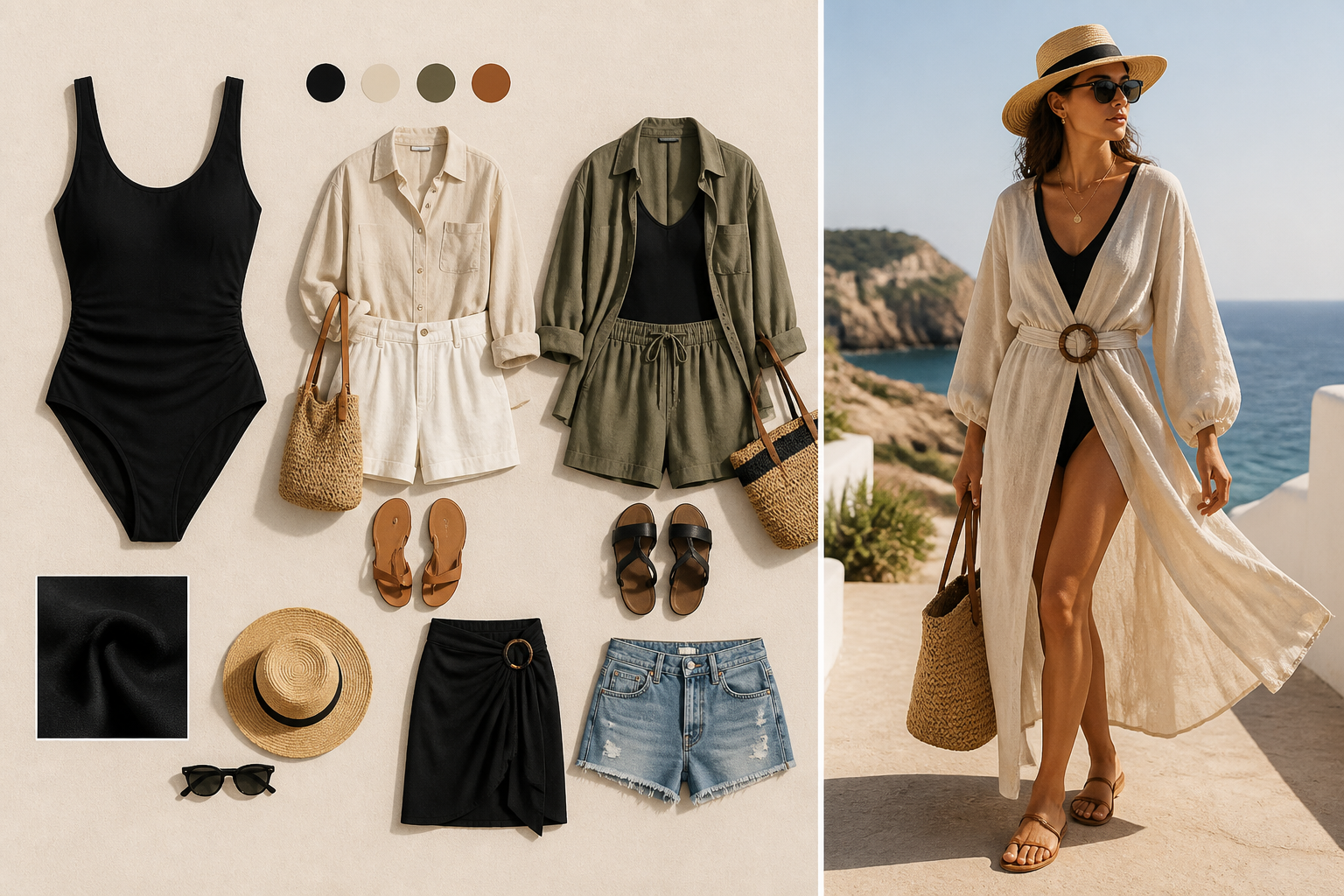
Summer Outfit Ideas for Every Occasion (2026)
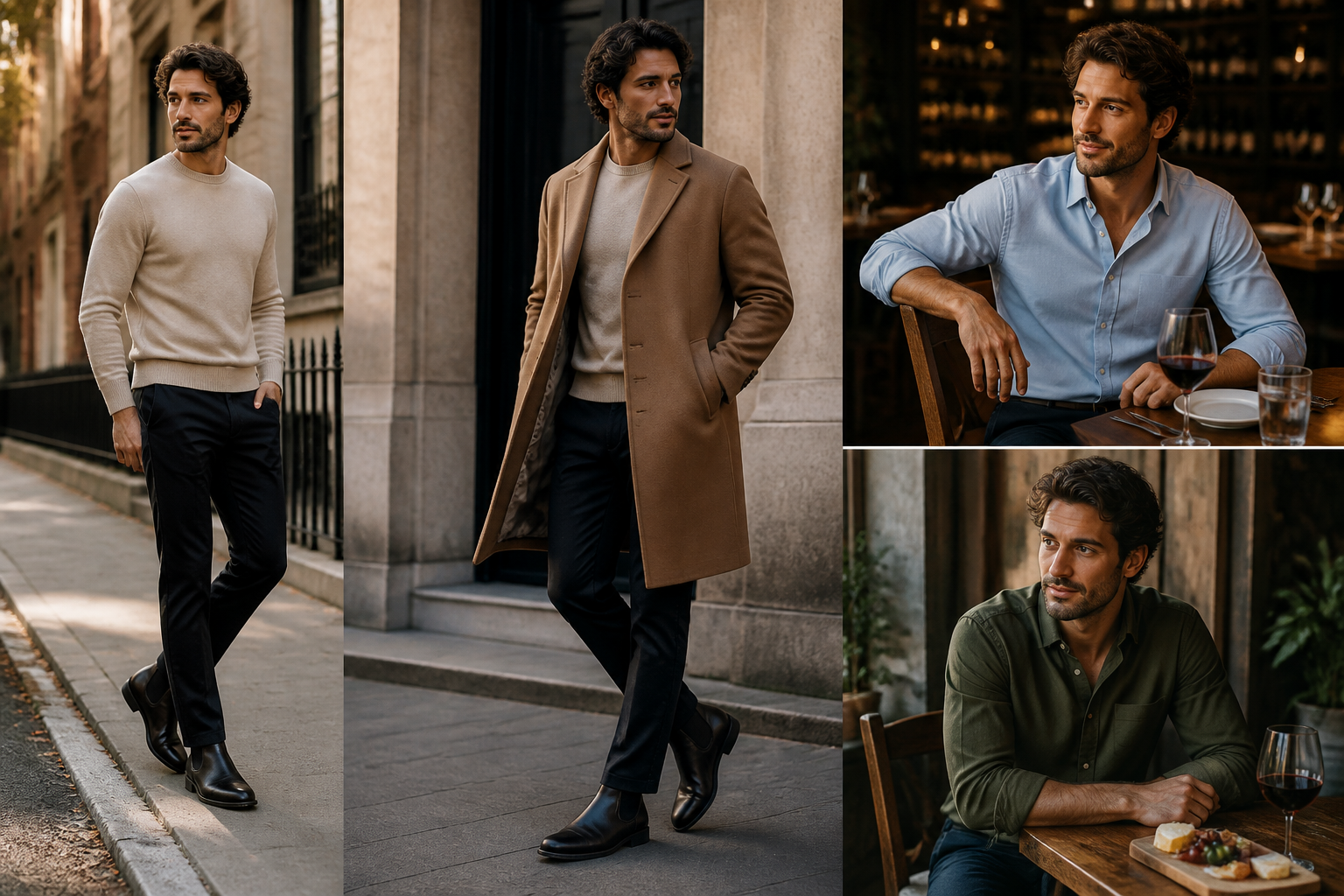
Getting dressed for summer isn't just about staying cool. It's about showing up right — for the office, a rooftop dinner, a weekend farmers market, a first date. And if you want a fast gut-check on whether any of these looks are actually working on you, Dress Better can analyze a photo and flag what's off.
The problem most people run into: the same combination doesn't translate across contexts. A flowy linen dress that's perfect for Saturday brunch reads underdressed in a client meeting. Dark trousers that look professional feel suffocating at an outdoor garden party. The piece isn't wrong — the context is.
A common pattern we see when people submit outfit photos: they've made an effort, but the formality level is off by one notch. Not egregiously wrong, but enough to feel "off." Getting that one notch right is what separates a good summer outfit from a great one.
This guide breaks down summer outfit ideas by occasion — what actually works in each context, what to avoid, and a few principles worth keeping.
Summer Outfit Ideas for Work and the Office
Summer office dressing has one goal: stay comfortable in the heat without looking like you stopped trying.
What works:
- Tailored linen trousers + fitted knit top: Linen breathes and holds structure better than cotton in humidity. A fitted knit (not jersey-loose) reads polished. Pair with loafers or pointed-toe flats. This combination works across professional environments from finance to creative agencies.
- Midi-length wrap dress in a solid or subtle print: The wrap silhouette adjusts to fit, which matters more in summer when layers aren't there to smooth things out. Solid colors or small prints stay professional. Avoid large tropical prints for client-facing days — the print competes with the message.
- Blazer over a sleeveless blouse: Keep the blazer for meetings or air-conditioned rooms. A structured blazer in a light color (sand, soft sage, white) paired with a silk or satin blouse looks intentional. Vogue's summer work guide consistently puts linen blazers in their top recommendations for this reason.
What to avoid: Ultra-sheer fabrics without a base layer, shorts (unless your office explicitly allows them), and sandals with significant heel — they read resort in a work context.
The fit principle: Summer office outfits succeed on fit more than formality. A well-fitting casual piece looks more professional than an ill-fitting formal one. If you're unsure whether something reads right, the question to ask isn't "is this formal enough" but "does this look deliberate?"
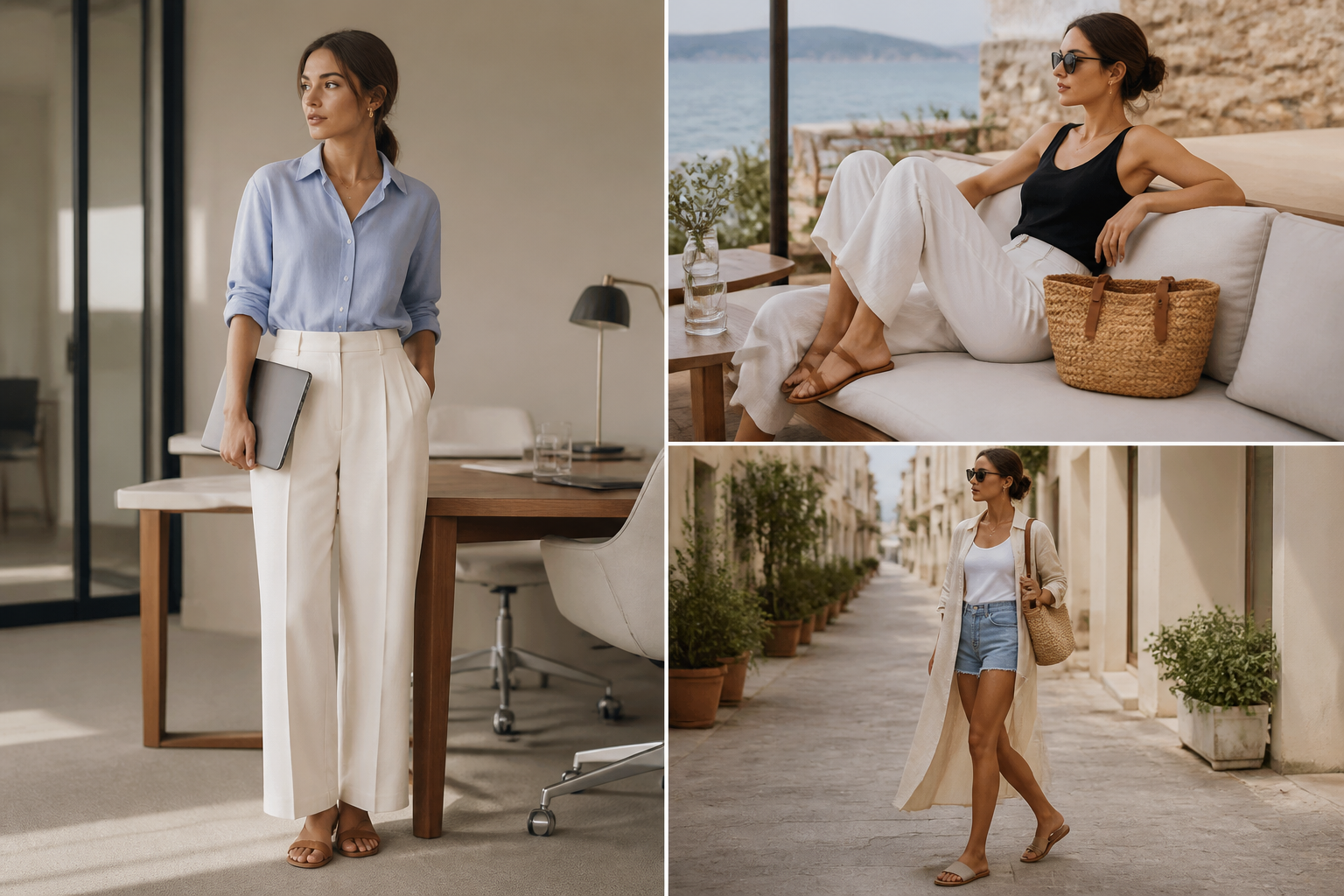
Casual Summer Outfits for Weekends and Daytime
Weekend summer dressing is where most people have the most room — and where the most common mistake happens: defaulting to whatever is coolest rather than thinking about what they're actually doing.
Farmers market / casual errands:
- High-waisted shorts + tucked-in linen shirt (oversized works here)
- Slip dress + white sneakers + small crossbody bag
- Straight-leg light wash jeans + simple tank + sandals
Beach or outdoor day (with plans after):
- Sundress that works on its own or over a swimsuit
- Linen shorts + loose button-down in a neutral or stripe
- Maxi skirt + simple tank — adjusts from beach to casual dinner with a different bag
The transition problem: Summer weekends often involve multiple contexts in one day — coffee, errands, lunch, evening plans. Outfits built around one neutral piece (white tank, simple linen shirt, straight-leg jeans) are easier to adapt than full looks built for one context.
Key items that do more work than they should:
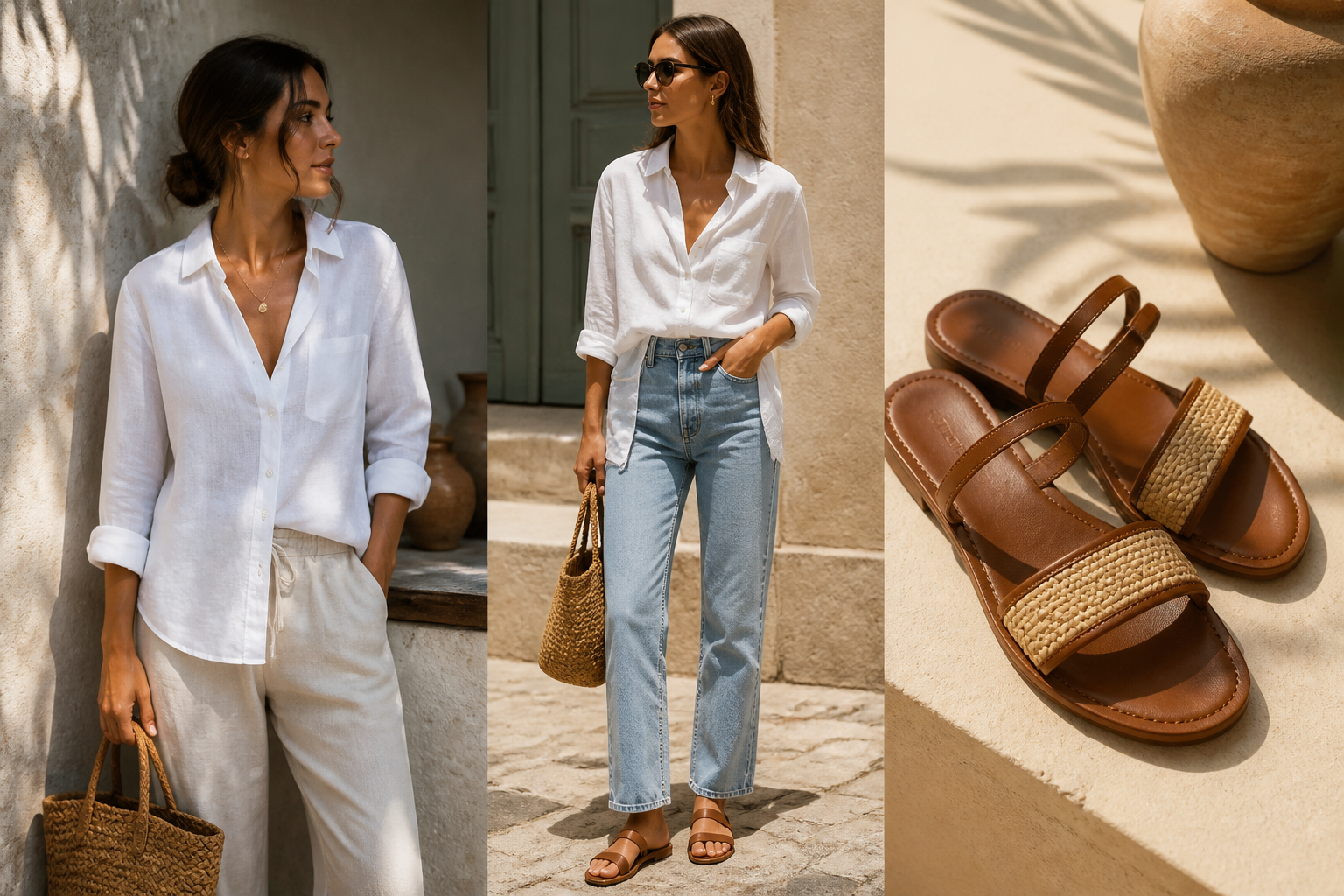
- White or off-white linen button-down: works tucked, untucked, tied at the waist, as a layer over a swimsuit
- Straight-leg light jeans: more comfortable in heat than skinny jeans; transitions from day to evening better than shorts
- Leather or woven flat sandals: elevate almost any casual summer combination
Summer Outfits for Events: Weddings, Dinners, Outdoor Parties
This is where people get most anxious — and where a single piece can make or break the whole look.
Outdoor wedding as a guest:
- Midi floral dress in a non-white, non-black color: classic for a reason. Choose something with movement in the fabric. Heels optional depending on the venue — on grass, block heel or wedge, not stiletto.
- Linen wide-leg pants + silk or satin cami + heels: works for semi-formal outdoor events, especially garden or vineyard settings.
- Avoid: all black (reads funeral in an outdoor summer context), white or off-white (too close to bridal), anything strapless you'll spend the day adjusting.
Rooftop or outdoor dinner:
- Slip dress in silk or satin-finish fabric: the single easiest summer evening outfit. Add a thin cardigan or wrap for temperature swings.
- Tailored shorts (structured, mid-thigh, with a zip and button) + silk blouse: works well for creative or casual dinner environments.
Outdoor party (casual to semi-casual):
- Printed co-ord set: two-piece sets in a single print read intentional and put-together without much effort.
- Sundress at a slightly elevated level: same silhouette as casual, but in a nicer fabric or with accessories that lift it.
The occasion gap: Most people dress for how they imagine an event will look, not how it actually runs. If you're unsure, slightly overdress rather than under — it's easier to remove a layer than add one.
How to Check If Your Summer Outfit Is Actually Working
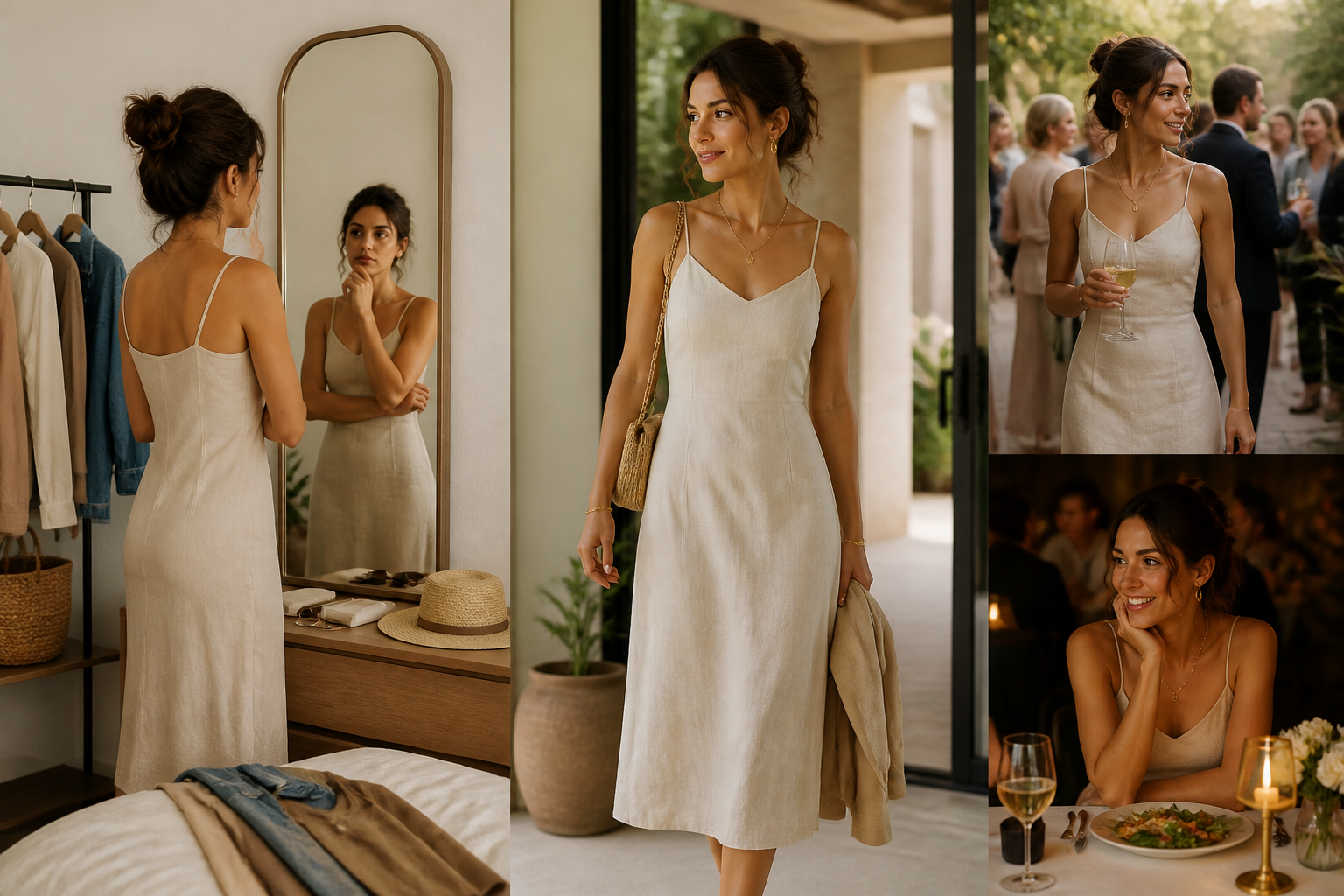
Most outfit decisions happen in about 30 seconds in front of a mirror. That's not enough time to catch the things that actually make an outfit miss — proportions slightly off, a color combination that reads fine in isolation but not together, or a formality level that's wrong for the occasion.
The specific issues that come up most frequently when people submit outfits for analysis:
- Color temperature mismatch — pairing a cool-tone top with a warm-tone bottom (e.g., a dusty blue shirt with camel trousers). Each piece looks fine alone; together, something feels "off" without being able to name it.
- Formality mismatch — a structured blazer over a casual knit dress, or relaxed wide-leg trousers with a formal blouse. The pieces are pulling in different directions.
- Proportion imbalance — oversized top with wide-leg trousers works in winter when layering creates visual weight; in summer with minimal layers, the silhouette reads as shapeless rather than intentional.
One approach: take a photo. Looking at yourself on a screen creates the same psychological distance as seeing someone else. Issues in proportion and fit that don't register in a mirror become more visible in a photo — a tip documented by several professional stylists as part of the "dress rehearsal" technique.
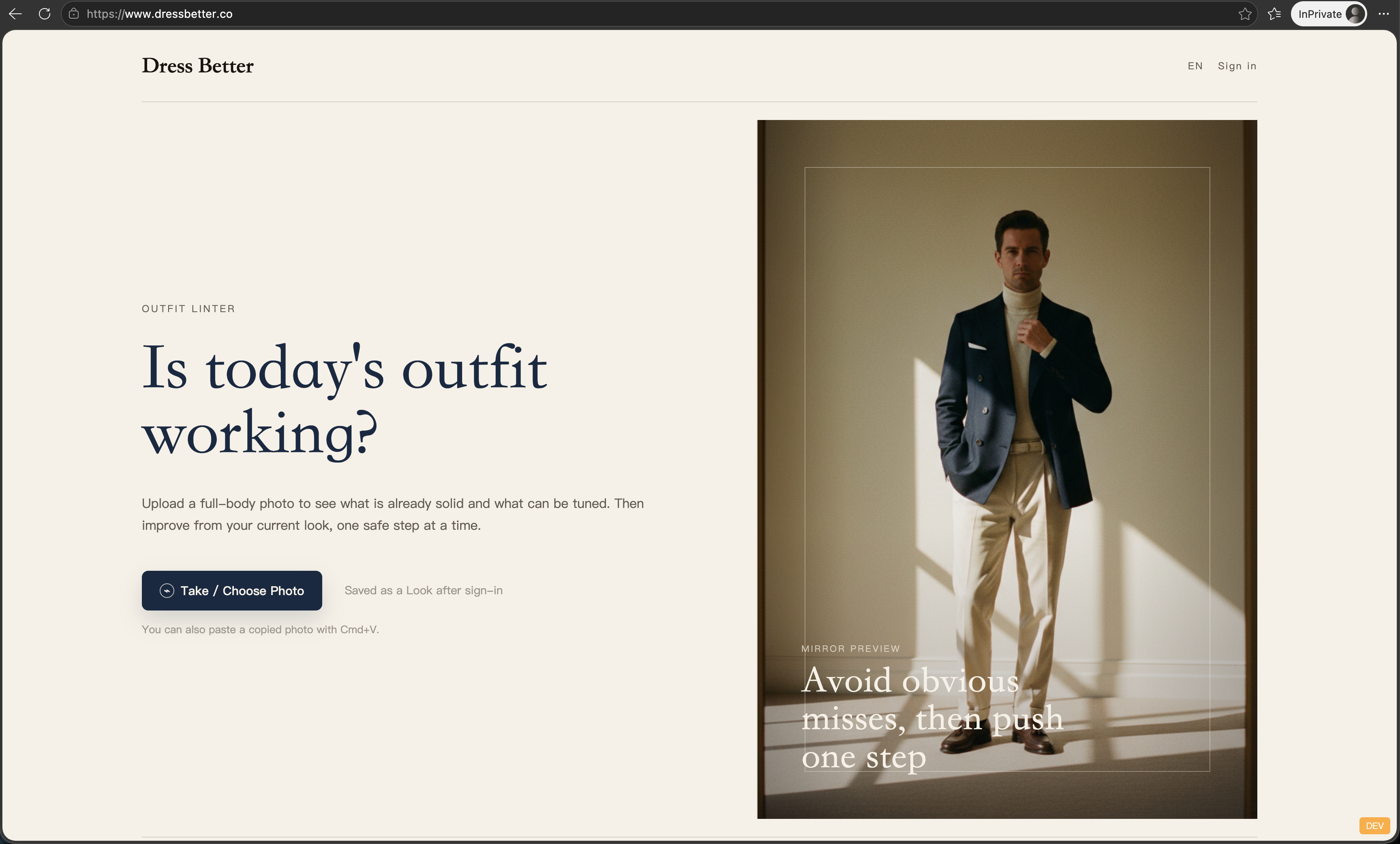
Another approach: Dress Better's AI outfit analysis . You upload a photo, and the tool evaluates four axes — color coordination, fit proportions, materials, and occasion-appropriateness — with specific, actionable feedback. Not "your colors don't work" but which combination specifically and what to adjust. It's designed around incremental improvement rather than full outfit overhauls, which makes it more useful for the "is this right for today?" check.
The Summer Outfit Rules That Are Actually Worth Following
Most fashion rules are arbitrary. A few are structurally sound:
1. One statement piece per outfit: Not zero (forgettable), not two (competing). If the dress is printed, the bag should be neutral. If the shoes are bold, the rest of the outfit should be quiet.
2. Color temperature consistency: Cool tones (blue-based pinks, greens, neutrals with grey undertones) work together. Warm tones (orange-based reds, yellows, earthy neutrals) work together. Mixing warm and cool is harder to pull off and is usually what makes an outfit feel "something's off" without being able to identify what.
3. Occasion-appropriateness over personal style: Your style preferences matter, but occasion fit matters more. A slightly "not your aesthetic" choice that reads right for the event will look better than your ideal outfit worn in the wrong context.
4. The 3-3-3 rule (when in doubt): No more than 3 colors, 3 different fabrics, or 3 visible accessories in one look. It's a simplification, but it works as a sanity check for looks that feel like too much.
5. Fit before everything else: Alterations cost less than most people expect — often $15–$40 for basic adjustments. A $40 dress that fits perfectly looks better than a $200 dress that doesn't. In summer specifically, where layers aren't hiding anything, fit is the single biggest variable in how polished an outfit reads.
What Your Summer Outfit Is Really Doing
The most common reason summer outfits miss isn't the pieces — it's the gap between what you intended and how it reads in context.
If you're regularly second-guessing whether your outfit is right, that's a solvable problem. Getting specific feedback on actual photos — not imagined scenarios — is the fastest path to developing an eye for what works and why.
The goal isn't a perfect outfit every day. It's not having to think about it as much.
Want to stop second-guessing your summer outfit choices? Try Dress Better — upload a photo and get specific feedback on color, fit, and occasion-appropriateness.
Disclosure: This article was produced by the Dress Better editorial team. It includes references to Dress Better's own AI outfit analysis tool. All outfit advice reflects the team's styling experience and observation of common patterns in user-submitted outfit reviews.