Complete Interview Outfit Guide for Every Industry in 2026
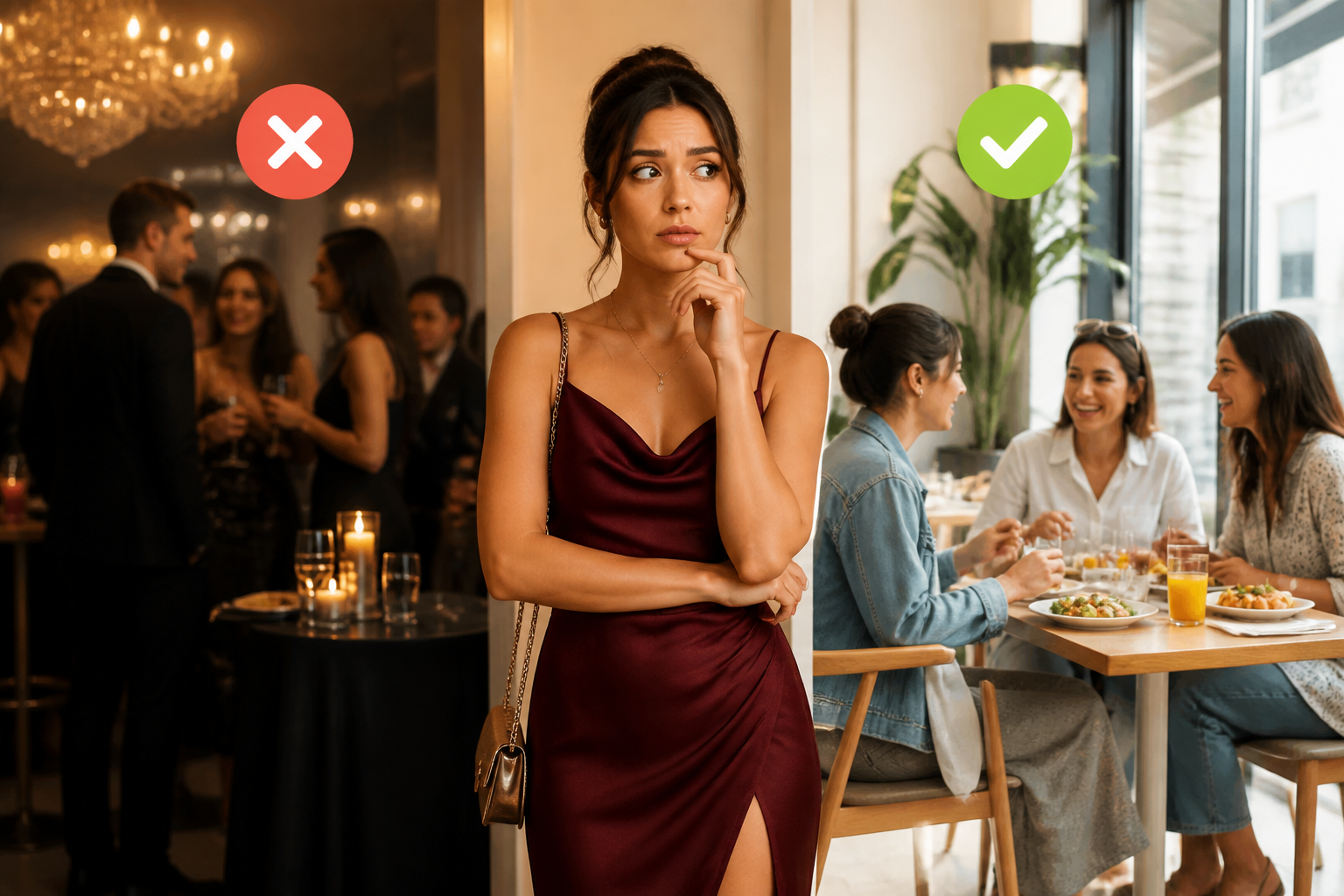
In June 2026, an HR professional posted on X about a candidate who showed up to a consulting firm interview in sweatpants and slides. The thread exploded — over 2,800 replies from recruiters, hiring managers, and talent acquisition specialists across industries shared similar stories: ripped jeans at an investment bank, a cocktail dress at a B2B SaaS startup, a hoodie at a law firm.
The common thread? Almost none of these candidates were being careless. They genuinely believed their outfit was appropriate. They had no one to give them honest, qualified feedback before they walked through the door.
This guide breaks down exactly what to wear to an interview in 2026, with industry-specific guidance, research-backed reasoning, and a practical tool that solves the feedback gap the HR thread revealed.
Why Your Interview Outfit Matters — The Research
First impressions are formed within the first seven seconds of meeting someone, and a 2024 study published in the Journal of Business Psychology found that interviewers form lasting impressions of a candidate's professionalism and cultural fit based on visual cues alone, often before a single question is asked.
A separate survey by the National Association of Colleges and Employers (NACE) reported that 73% of recruiters said inappropriate attire could disqualify a candidate early in the hiring process, even if their resume was strong. The issue is not about vanity or fashion — it is about signal. Your outfit signals whether you understand the unspoken rules of the room.
The HR thread that went viral in June 2026 made one thing painfully clear: many candidates are not getting this feedback anywhere. Friends say "that looks fine." Family members are not trained to evaluate professional dress. The result is a gap between what candidates think works and what hiring managers expect.

Industry-Specific Interview Attire for 2026
The concept of a universal "interview outfit" no longer exists. Workplace dress codes have diverged significantly post-pandemic, and the right choice depends entirely on industry, company culture, and role seniority.
Finance, Law, and Consulting: Conservative Polish
For traditional professional services, the standard has remained consistent. Over-dressing is almost impossible in these environments.
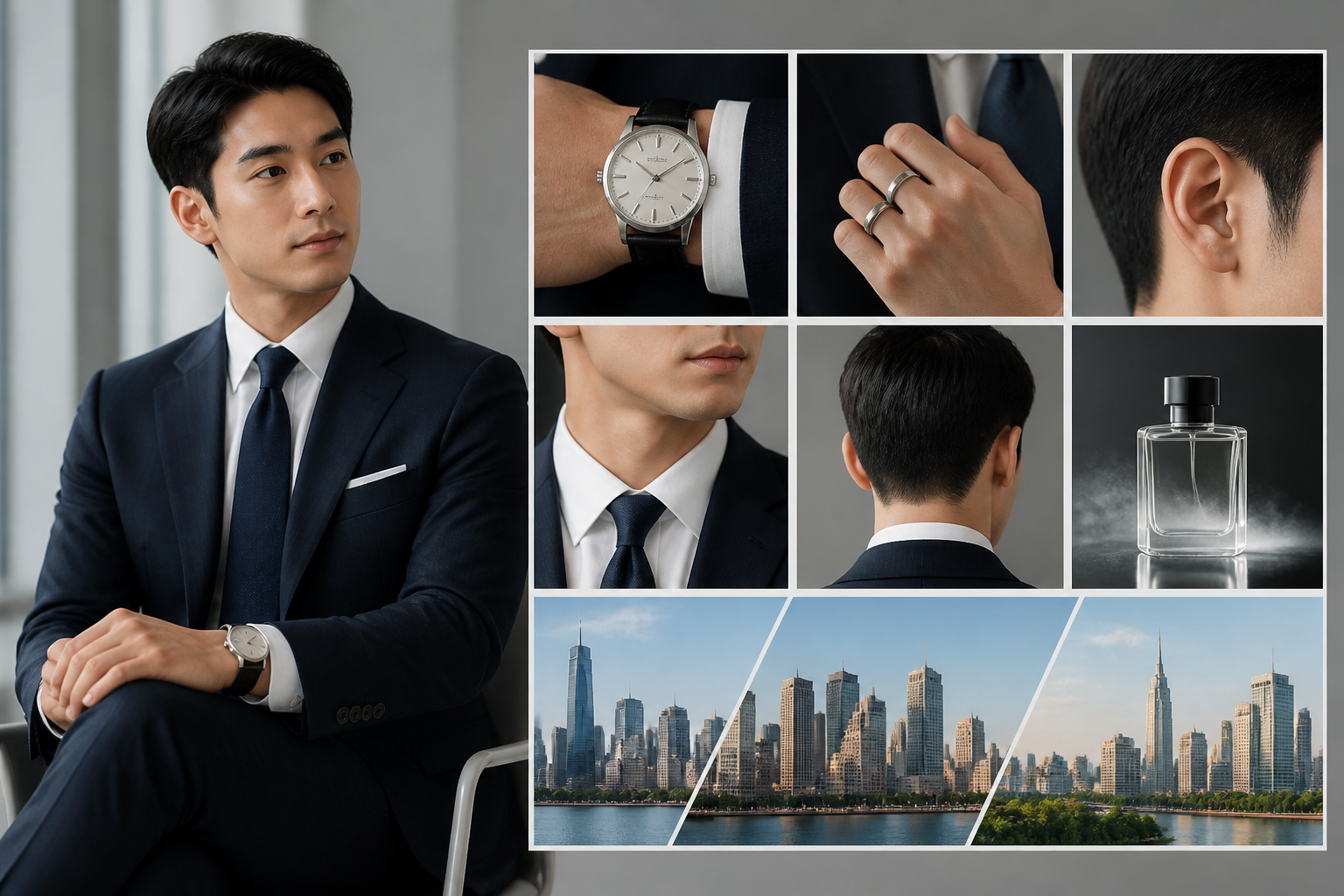
- Suit is non-negotiable. A well-fitted two-button suit in navy, charcoal, or black. The jacket should sit flat across the shoulders without pulling, and trousers should break just above the shoe.
- Shirt. Crisp white or light blue button-down. French cuffs are acceptable for senior roles but avoid for entry-level positions.
- Footwear. Polished leather oxfords or closed-toe pumps in black or dark brown. A 2025 LinkedIn survey of financial services recruiters ranked footwear as the most commonly noticed detail in interview attire.
- Accessories. Minimal. A classic analog watch, one ring maximum, no visible piercings beyond standard earrings for any gender.
- Grooming. Conservative hairstyle. Avoid strong fragrance — a 2025 Robert Half study found 42% of hiring managers consider heavy cologne or perfume a negative factor in interviews.
Regional note for US-based interviews: In New York and Chicago, the traditional suit standard is strictly enforced. In San Francisco and Austin, some finance roles (fintech, venture capital) have relaxed to a blazer and dress trousers without a tie. Research the specific firm before deciding.
Technology and Startups: Polished Smart Casual
Tech hiring has undergone the most dramatic dress code shift since 2020. While the day-to-day culture is casual, interviews still expect intentional, clean presentation.
- Blazer optional, but a structured jacket helps. If the company's LinkedIn photos show employees in hoodies, skip the blazer. If you see blazers on the leadership team, wear one.
- Top. A clean, well-fitted sweater in merino wool or cashmere, a collared shirt, or a high-quality polo in a solid color. No logos, no graphics, no hoodies.
- Bottoms. Dark, non-distressed jeans, chinos, or tailored trousers. Avoid light wash denim, cargo pants, or anything with visible wear.
- Footwear. Clean leather sneakers (common white leather styles are widely accepted), loafers, or desert boots. Running shoes, athletic trainers, and worn-out sneakers are not appropriate.
- Accessories. A clean backpack or leather messenger bag. A smartwatch is acceptable but set it to silent or theater mode.
The common mistake tech candidates make: Dressing too formally. A full suit at a Series A startup signals that you did not research the culture, which raises questions about your judgment and fit.
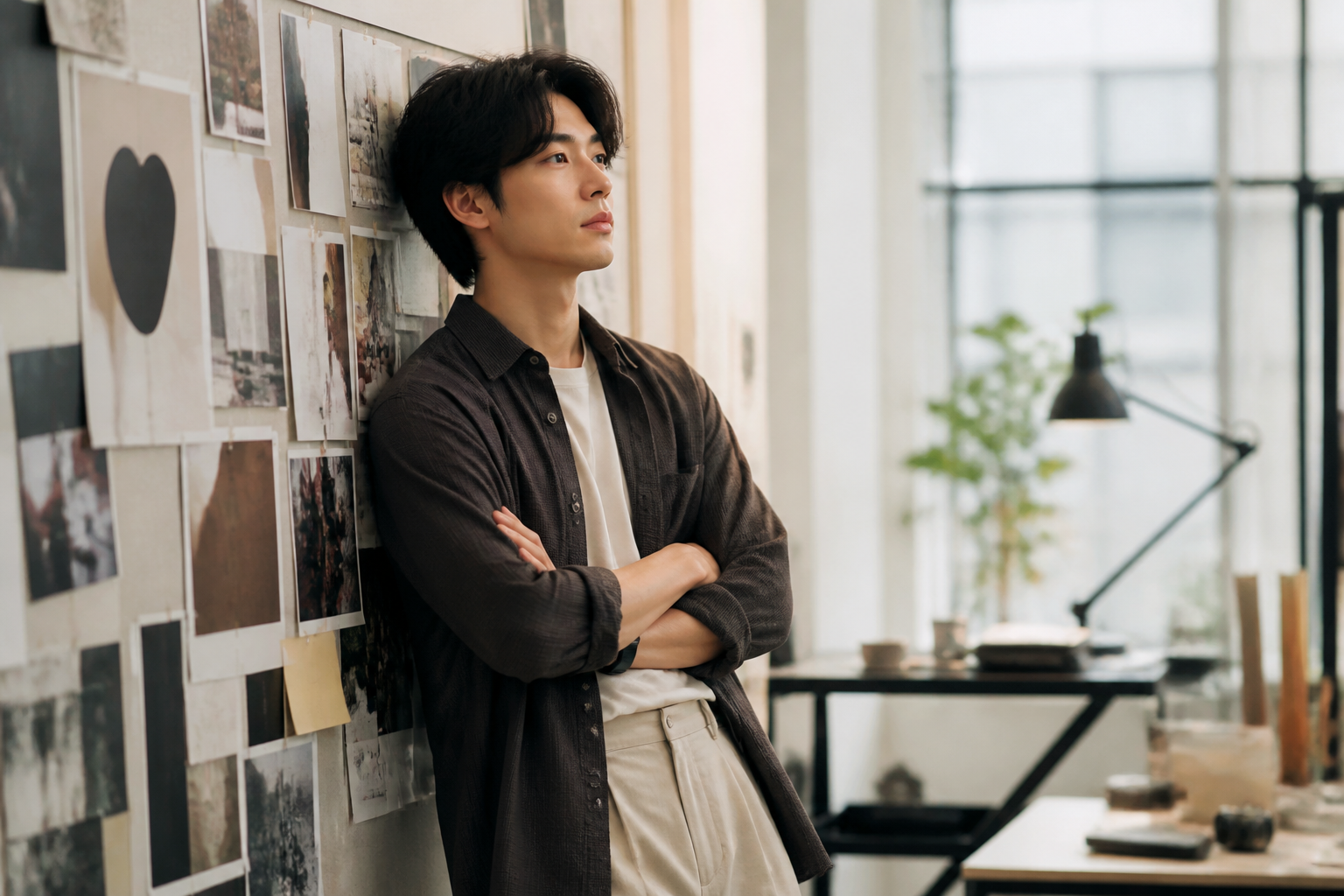
Creative Industries, Media, and Advertising: Intentional Expression
In creative fields, your outfit is a work sample. It demonstrates your understanding of aesthetics, color, proportion, and personal branding.
- Pattern and color are assets. A well-coordinated outfit with intentional color contrast — a jewel-tone top with neutral trousers, for example — signals creative confidence.
- Blazer optional, style intentional. A blazer can work but should be styled to look considered, not borrowed. Pairing a structured blazer with raw-hem trousers or premium denim shows you understand texture and contrast.
- Footwear. This is where you can take the most risk. Clean, intentional footwear in an interesting silhouette or color is generally well received.
- The edit rule. Choose one statement piece — a scarf, a pair of shoes, a bag — and keep everything else understated. Three competing statements reads as unfocused.
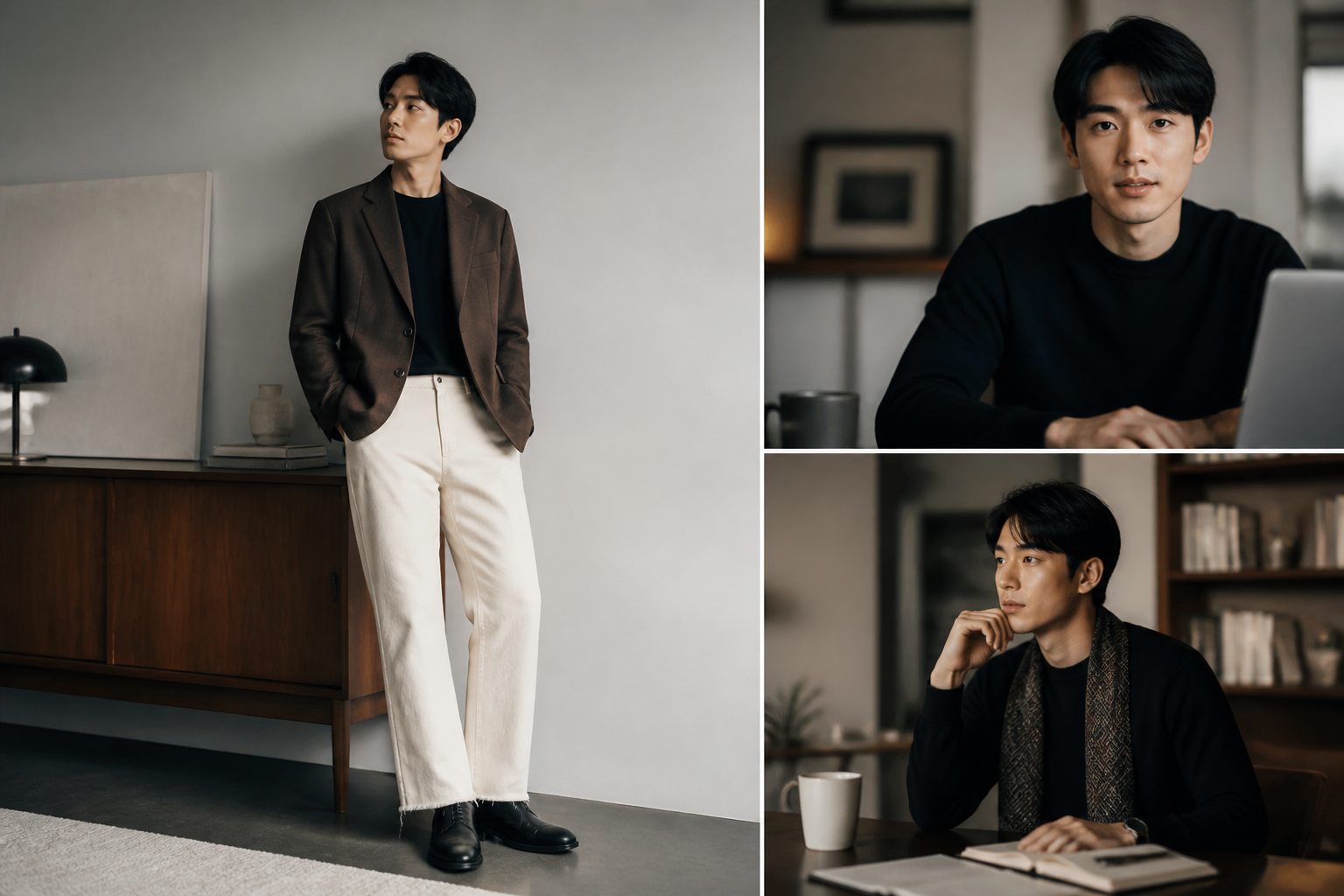
For remote or hybrid creative roles: Video interview outfits are a separate category. Solid colors read best on camera. Busy patterns, stripes, and extremely bright white cause visual artifacts on most webcams. Test your outfit on camera before the interview.
Healthcare and Allied Professions: Clean, Credible, Practical
Healthcare interviews prioritize hygiene perception, comfort for long shifts, and approachability.
- Professional separates. A structured blazer over a blouse or collared shirt with tailored trousers or a knee-length skirt. Avoid low necklines, sheer fabrics, or anything that requires adjustment.
- Footwear. Comfortable, closed-toe shoes that you could stand in for eight hours. Polished leather loafers, ballet flats, or low block heels. Avoid open-toe styles, even in summer.
- Colors. Neutrals and soft tones. A 2025 study in the Journal of Hospital Medicine found that patients rated providers wearing navy or soft gray higher on perceived competence than those wearing bright colors or prints.
- Grooming. Hair secured away from the face. Clean, short nails. Minimal jewelry — nothing that could snag or interfere with hygiene protocols.
- Lab coat or scrubs. If the interview includes a shadowing component, bring a clean lab coat or fresh scrubs in a garment bag. Do not wear them into the waiting room.
Retail, Hospitality, and Customer-Facing Roles: Brand Alignment
If the role involves direct customer interaction, your outfit must demonstrate that you understand and can represent the brand.
- Research the uniform standard. Visit the location beforehand or check employee Instagram posts. Dress one step above the employee dress code.
- Fit matters more than formality. A perfectly fitted blazer over neat dark jeans often outperforms an ill-fitting suit.
- Footwear. Comfortable enough to work a trial shift in, but polished. Hospitality roles often require closed-toe, non-slip footwear — arrive in appropriate shoes even for the interview.
- Grooming. Some retailers have explicit grooming standards. Research these in advance. If in doubt, err toward conservative and tidy.
Universal Interview Outfit Checks Before You Walk In
Independent of industry, these rules apply everywhere.
- Try on the full outfit at least two days before the interview. Sit, stand, raise your arms, and walk in it. If anything restricts movement or feels uncomfortable, change it.
- Remove tags, loose threads, and lint. Check the shoulders and back for pet hair using a lint roller.
- Shoes must be clean and polished. Inspect soles, heels, and scuff marks.
- Belt matches shoe color. For neutral outfits, belt and shoe color should be within one shade of each other.
- No strong fragrance. The Robert Half study cited earlier found that scent-related hiring bias disproportionately affects candidates in close-proximity work environments.
- Check the weather forecast for the full day. If rain is expected, carry an umbrella in a neutral color and wear shoes that can handle wet conditions.
- For video interviews: test the outfit on camera at the same time of day as the interview. Check for washout, glare, and how the colors render on your specific webcam.
Adjusting Your Interview Outfit by Season
Seasonal conditions affect how your outfit is perceived more than most candidates realize.
Winter: Layer strategically. A well-fitted wool coat over a blazer reads as polished and prepared. Remove it before entering the interview room — stepping in wearing multiple bulky layers looks disorganized. Static-prone fabrics (polyester linings, certain synthetic blends) can cause hair and clothing to cling; carry a small anti-static sheet or dryer sheet to dab.
Summer: Fabric choice is critical. Lightweight wool and cotton-linen blends keep you cool without sacrificing structure. Avoid pure linen for formal industries — it wrinkles visibly within minutes and reads as casual. Sweat management is part of your outfit: a well-fitted undershirt or sweat shield in a neutral tone prevents visible dampness on dress shirts.
Spring and Fall: Transitional layers are your friend. A cotton or lightweight wool blazer with a sweater underneath works for early morning interviews that warm into afternoon. Earth tones (olive, burgundy, camel) are seasonally appropriate and photograph well in natural light.
How to Get Reliable Feedback on Your Interview Outfit Before the Day
The problem the HR thread revealed is structural: candidates have no reliable source of honest, qualified feedback on their interview outfit. Friends are polite. Family is biased. Mirror self-assessment misses blind spots — you cannot see how the jacket sits on your shoulders, whether the fit of the trousers is right, or whether the color combination works as well as you think.
Dress Better solves this directly. Upload a full-body photo of your planned outfit, and the platform's AI evaluates it across four dimensions: color coordination, fit and proportion, material appropriateness, and occasion suitability for your specific industry. The feedback is objective, instant, and actionable — delivered in approximately 30 to 60 seconds.
- Upload your outfit photo via file picker or paste from clipboard — no account creation required for a quick check.
- Select your target industry — feedback adjusts automatically for finance vs. creative vs. healthcare standards.
- Receive detailed analysis on what works, what does not, and how to improve.
- Iterate and re-upload — swap the blazer, change the shoes, and get fresh feedback until your outfit is right.
No more walking into an interview wondering if your outfit is appropriate. The feedback gap that thread revealed has a practical solution.
The Bottom Line
The 2,800+ replies to that June 2026 thread all said the same thing in different ways: hiring managers want candidates to succeed, and watching someone walk in wearing the wrong outfit is frustrating because it is preventable.
Your outfit will not get you the job on its own. Your skills, experience, and answers carry the weight. But a wrong outfit can absolutely cost you the opportunity. And unlike a missing qualification or a skill gap, your outfit is entirely within your control.
Take the guesswork out of your next interview outfit. Upload your planned look to Dress Better and get real, objective feedback on what reads as polished, professional, and right for the room.
Before you walk through that door, make sure your outfit says what you want it to say.